What Panic Bar Installation Actually Involves
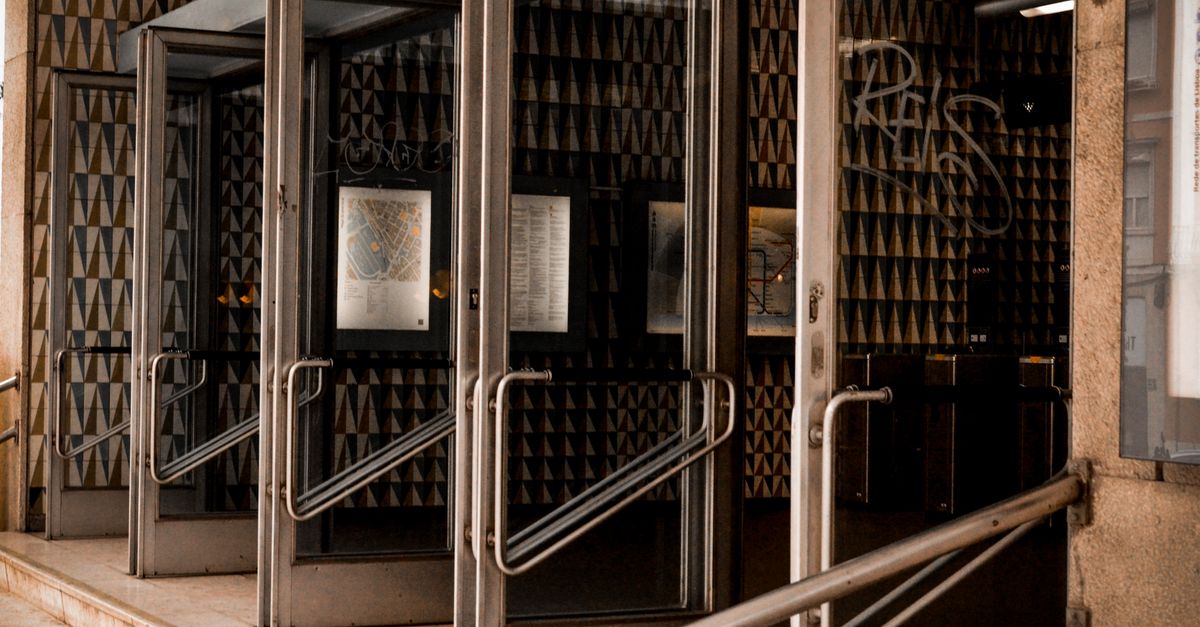
A panic bar installation is not simply bolting a bar to a door. A qualified locksmith has to assess the door's construction — hollow metal, aluminum storefront, wood-core commercial, or glass — identify the correct strike and latch configuration, and match the device to the door's hand (left or right swing) and width. Rim-mount devices, mortise-type units, and concealed vertical rod devices all have different prep requirements. Getting the alignment wrong means the latch won't engage the strike properly, the door won't seal, and the device may fail exactly when it's needed most.
We also verify that the installed device complies with applicable codes for your occupancy type. New York State Building Code references NFPA 80 and NFPA 101 life-safety requirements, which specify that exit devices on fire-rated doors must meet UL listings and latch with no more than 15 pounds of force. Our technicians check these functional details — force required to actuate, door gap tolerances, and proper latching — before we consider the job complete.